Full Mouth Rehabilitation in Pittsburgh | Edgewood Dental Associates
CallFull Mouth Rehabilitation in Pittsburgh
When several things need attention at once, whether it's missing teeth, failing restorations, gum problems, or a bite that's been off for years, it can feel impossible to know where to start. Full mouth rehabilitation puts everything into one coordinated plan so you're not bouncing between offices or wondering what comes next. At Edgewood Dental Associates, we handle it all here on South Braddock Avenue, from the first exam to the finishing touches.
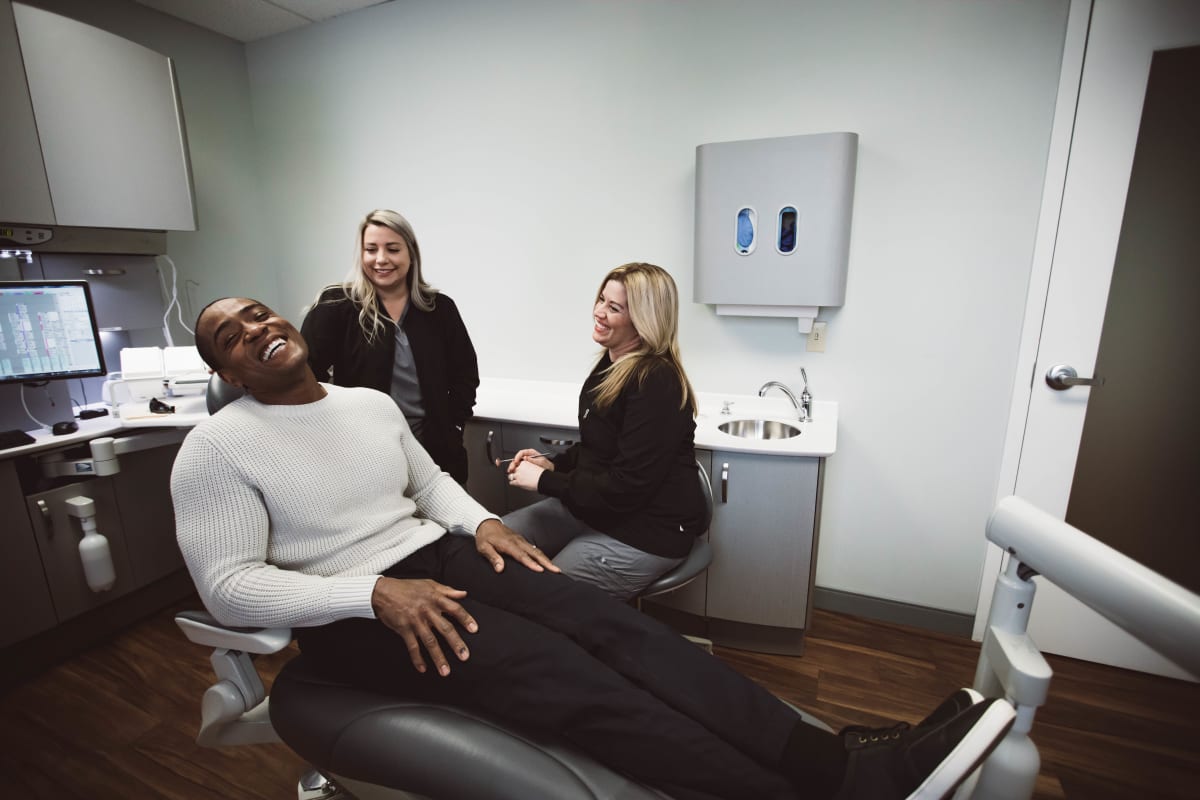
Most people who come to us for this have been away from the dentist for a while, and many arrive expecting judgment. You won't find that here. We focus on what's fixable today and build a clear path forward, at a pace that works for your schedule and your budget.
Ready to start with a conversation? Call us at (412) 242-4022 and we'll set up a consultation.
Five Things Worth Knowing Upfront
- Full mouth rehabilitation brings restorative, gum, and cosmetic treatment together into one clear plan rather than a string of unrelated appointments.
- Everything happens here in Pittsburgh, with no referrals and no repeating your story at three different offices.
- You'll get a full exam, imaging, and a written treatment plan before you agree to anything.
- Treatment is spread across months, so the cost can be spread out too. We accept insurance and can talk through payment plans for whatever insurance doesn't cover.
- The first step is a consultation, not a commitment. Bring your questions, including the ones about money.
How Full Mouth Rehabilitation Works
1. A Full Exam and Digital Records
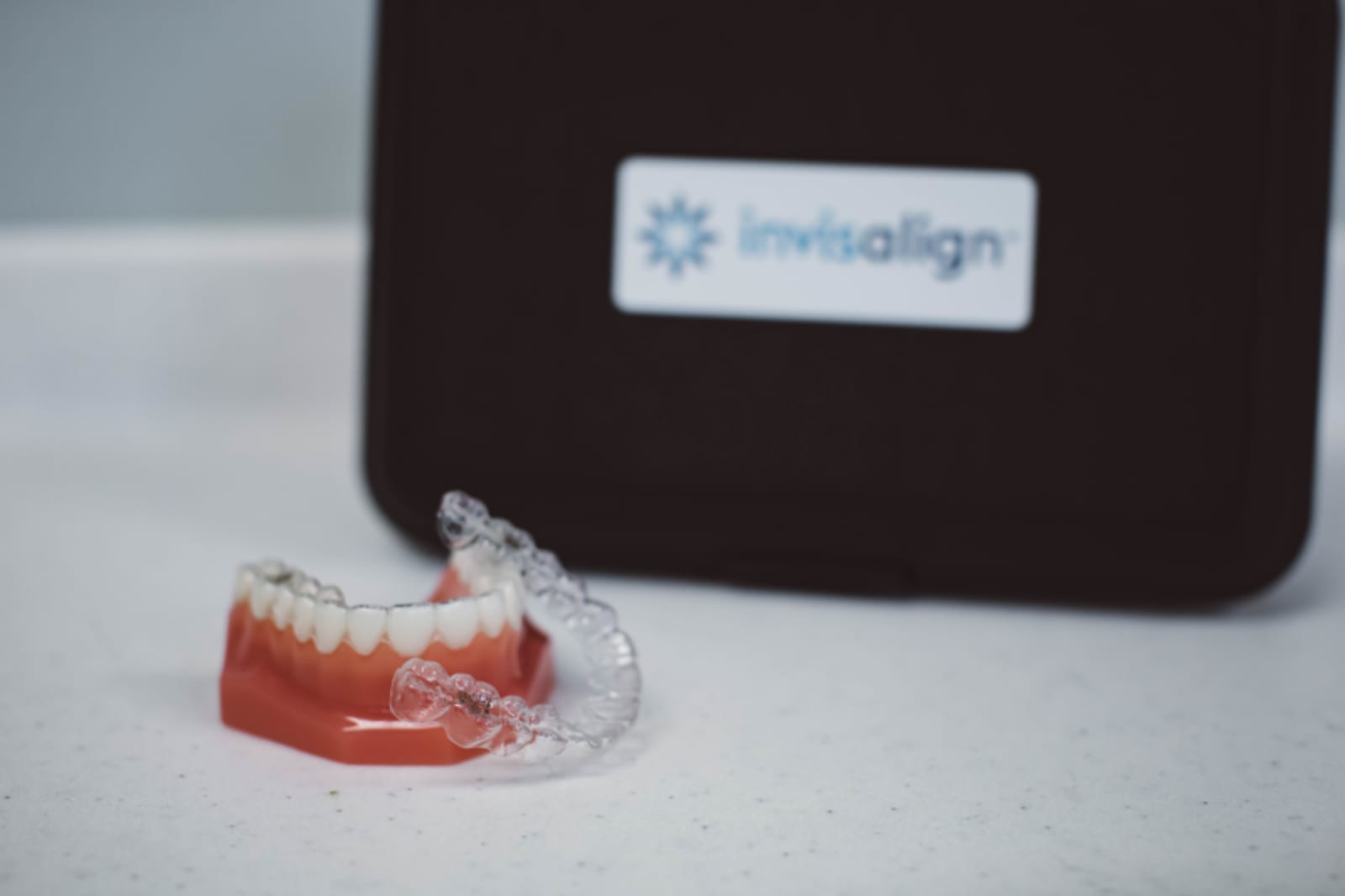
We look at everything, not just the tooth bothering you most. That includes digital X-rays, photos, a gum check, and a look at how your bite comes together. Digital scanning with iTero replaces the old goopy impression trays.
2. A Conversation About What It All Means
You'll hear what we found in plain language: what's urgent, what can wait, and what your options are. We talk through your goals too, because someone who wants to eat steak again needs a different plan than someone focused on how their smile looks in photos. Often it's both.
3. Stabilizing the Foundation
Gum disease gets treated. Infected teeth get root canal therapy or come out. It is not the most exciting phase, but it is what makes the finished result last. Crowns and implants placed over unhealthy tissue are how expensive work ends up needing to be redone.
4. Rebuilding Structure
This is the longest phase, covering dental implants, implant-supported dentures, All-on-4, bridges, metal-free crowns, and tooth-colored fillings, whatever the plan calls for, spread across multiple visits with healing time built in.
5. Finishing and Fine-Tuning
The permanent pieces go in, the bite gets adjusted, and any cosmetic work like veneers, bonding, or whitening on your natural teeth happens once everything underneath is healthy. Then we talk about keeping it that way.
What You Actually Get Out of It
- Chewing That Works Again. When teeth are missing or broken, people quietly shrink their diet down to what's manageable. A restored bite gives you back the foods you've been avoiding.
- Bite Force Spread Evenly. Uneven pressure wears teeth down, cracks dental work, and can cause jaw and muscle pain. Rebuilding the whole arch spreads that force across your bite instead of patching one spot at a time.
- Healthier Gums and Bone. Treating gum disease as part of the plan protects the teeth you still have, and dental implants help preserve the jawbone where teeth are gone.
- A Smile That Looks Like One Smile. Doing the work as one project means color, shape, and proportion are planned together rather than accumulated over a decade of separate visits. That includes veneers, crowns, and any other visible work in your mouth.
- Work That Lasts. Dental work built on a stable foundation and placed in the right order holds up longer than the same work done one emergency at a time.
- Not Dreading Your Reflection. People stop covering their mouth when they laugh. That shift is one of the things patients mention most after finishing treatment.
When Full Mouth Rehabilitation Makes Sense
The situations people are most embarrassed to show us are exactly what this process was designed for. There's no level of severity that puts someone out of the running.
Full mouth rehabilitation tends to make sense when you're dealing with several of these at once:
- Multiple missing teeth, whether recent or long-standing
- Crowns, fillings, or bridges that have been patched again and again and keep failing
- Teeth worn short from grinding, acid erosion, or an uneven bite that has gone on for years
- Gum disease alongside tooth damage, where one cannot be treated without addressing the other
- Jaw soreness, clicking, or headaches tied to how your teeth come together
- A long stretch without dental care and a mouth that shows it
Months, Not Appointments: Planning Your Treatment
Full mouth rehabilitation is measured in months, not appointments. A modest case with a handful of crowns and some gum treatment might wrap up in three or four months. A case involving implants runs longer, often nine to eighteen months, because bone needs time to heal around implant posts before final restorations can be placed. Grafting, if needed, adds to that.
Rough milestones you can plan around:
- Weeks 1 to 2: Consultation, exam, imaging, and your treatment plan review.
- Month 1 Onward: Foundation work. Gum treatment, extractions, root canals, anything that needs to be stable before moving forward. Healing between steps is built into the schedule.
- Midway Through Treatment: Implant placement or restorative work, usually across several appointments.
- Final Phase: Your permanent restorations go in, the bite gets checked, and any cosmetic finishing is done.
Setting Yourself Up for a Result That Holds
Before you start, bring a list of your medications and any health conditions, especially diabetes, blood thinners, or anything that affects healing, because those details shape your plan. If you smoke, let us know, since it affects implant success and gum healing. Check in with your insurance early so the financial picture is clear from day one. And if dental anxiety is part of this for you, mention it at the first appointment. It changes how we pace things.
Afterward, the upkeep is straightforward. Brush and floss daily, including around implants and under bridges, and we will show you the tools that make that easier. Most patients do best with cleanings more frequent than the standard six months, so keep those appointments on the calendar. If you grind your teeth, wear your nightguard. If something feels loose, sharp, or off in your bite, let us know promptly so it stays a small fix.
What Does Full Mouth Rehabilitation Cost?
Cost depends entirely on scope. Two people can both need full mouth rehabilitation and be looking at very different numbers. The factors that shape the total are the number of teeth involved, whether implants or grafting are part of the plan, how much gum care is needed upfront, and the materials chosen for the final restorations.
You will receive a written, itemized plan with the cost of each phase before any treatment starts. We accept insurance, and our team will walk through your benefits with you directly. Because treatment is spread across phases, costs can often be timed to span benefit years, with payment arrangements available for anything remaining. If you have been putting off this conversation, there is no wrong number to bring to that first appointment.
Why Patients Choose Edgewood Dental Associates
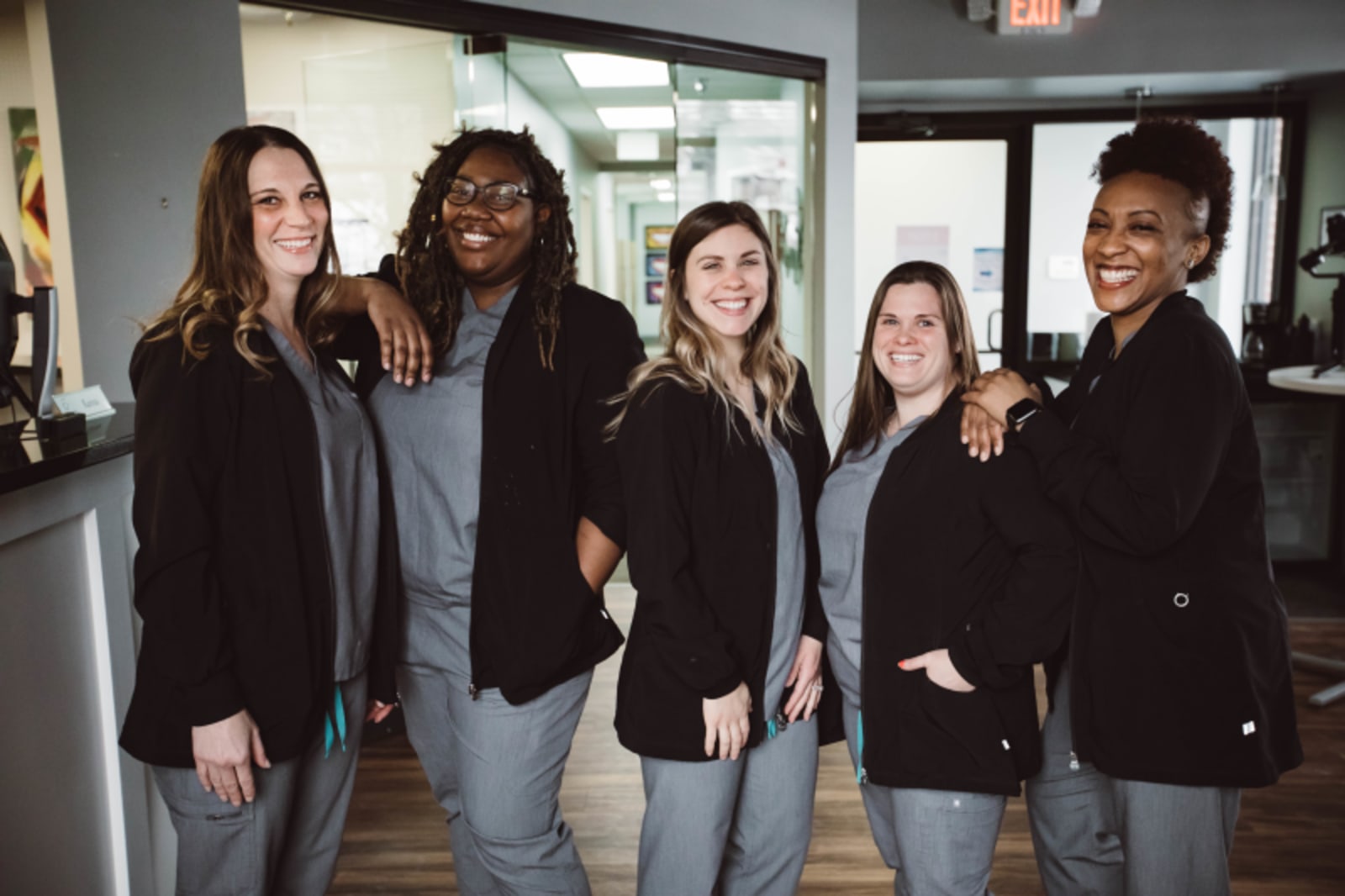
Complex cases are harder when you're bouncing between offices. At Edgewood Dental Associates, everything happens under one roof, with one team that knows your full picture from start to finish.
- Implants, gum treatment, root canals, crowns, veneers, and dentures, all done by our own team
- CEREC and iTero technology means fewer visits and less back-and-forth
- Appointments built around your schedule, with early morning hours starting at 7:30, Monday through Friday
- 4.9 rating across more than a thousand Google reviews
Many of our patients arrive embarrassed and expecting the worst. What they find instead is a team that has seen it all and is focused entirely on what comes next for them.
FAQs About Full Mouth Rehabilitation
Will I Get Judged for Not Seeing a Dentist in Years?
No. Our focus is entirely on what's fixable today. We've seen every situation, and we're here to help you move forward, not look back.
How Do I Know if I Need Full Mouth Rehabilitation or Just a Few Treatments?
A full exam tells us that. Some patients need far less than they expected. Others come in about one tooth and discover a bite issue has been causing the damage. Either way, you'll leave your first visit with a clear answer.
Will I Be Without Teeth During Treatment?
No. Temporary restorations and provisional teeth keep you covered through every phase so there are no visible gaps at work or at the dinner table.
How Painful Is Full Mouth Rehabilitation?
Each procedure is done with numbing. Most patients experience mild soreness for a few days after extractions or implant placement. If you have dental anxiety or a history of difficult visits, let us know at your consultation so we can adjust the pace and approach.
How Long Do the Results Last?
With consistent home care and regular cleanings, restorations and implants can last many years. Longevity depends most on gum health, whether you grind your teeth, and keeping up with maintenance visits.
Can I Complete Treatment in Stages?
Yes, and most patients do. There is a clinical order that must be followed, but the pace within that order is flexible around your schedule, your healing, and your budget.
Let's Start With a Conversation

Making the call after a long time away takes more courage than most people give themselves credit for. Whether it's been two years or fifteen, you'll be greeted with warmth and a clear, honest answer about what's possible.
Reach us at (412) 242-4022. We're at 1789 South Braddock Avenue, Suite 110, in Pittsburgh, open weekdays with early morning hours starting at 7:30. When you're ready, schedule a visit and we'll work through the rest together.
Call our Pittsburgh Dentist Today at (412) 242-4022 for your Appointment
We'd love to serve you and your family. Please Call us or request an appointment online to set up your visit. We'll be in touch soon.

Request An Appointment

Request An Appointment
Are you a new or existing patient?
We're looking forward to meeting you!
It looks like there are no appointments currently eligible for online booking. Just give us a call at 412-242-4022!