
Published
What a Single-Tooth Implant Actually Involves (and Why It Worries People More Than It Should)
If you've spent a few months reading forums, watching videos, and quietly going back and forth on whether a dental implant is worth it, you're in good company. Most people who land on this page have been sitting with the decision for a while. Sometimes years. You've probably heard one number from a friend, a different number from a quick search, and enough conflicting advice to make a fairly routine procedure feel like a maze.
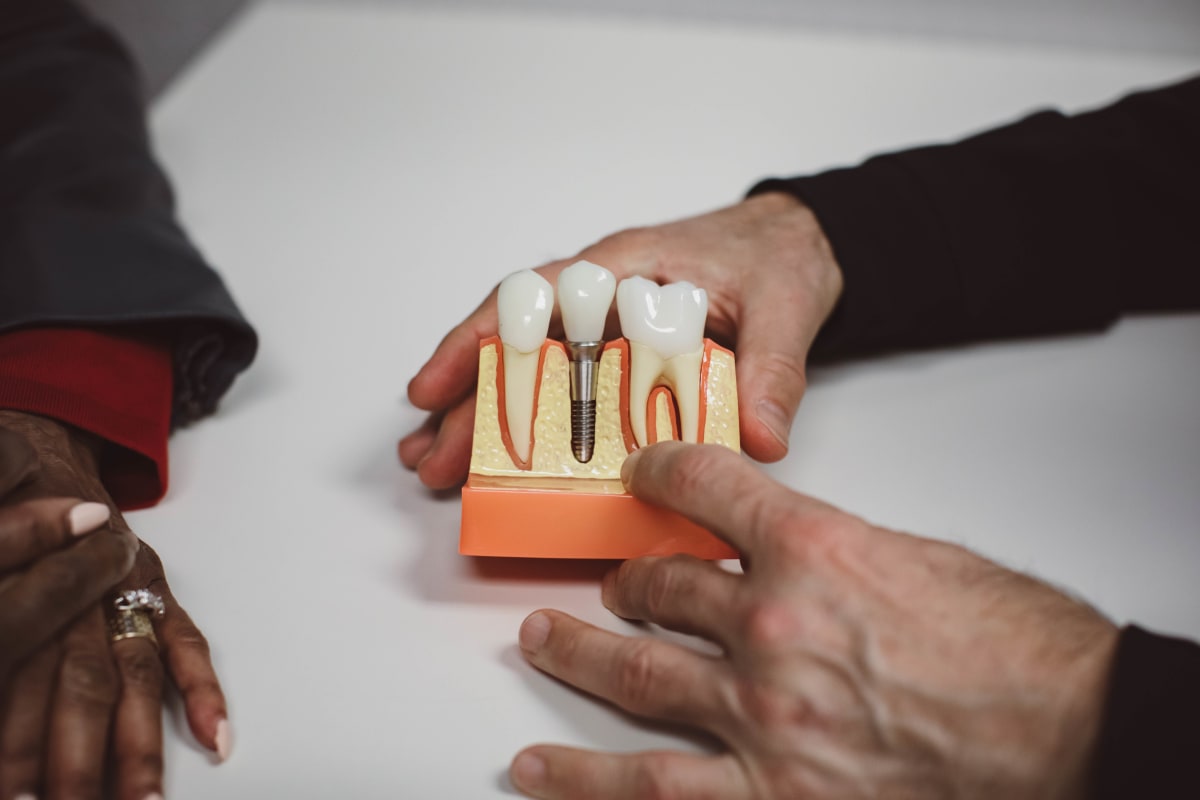
So here's the plain answer for you: a single-tooth implant replaces one missing tooth with a small titanium post that acts as a new root, topped by a custom crown that looks and works like the real thing. At a well-equipped general practice like ours, that journey moves through four stages: a consultation with 3D imaging, the placement appointment, a healing stretch, and the final crown. Each one is more predictable and more comfortable than most people picture walking in.
The team at Edgewood Dental Associates, here on the east side of Pittsburgh, walks you through every step before anything gets scheduled. If you'd like a feel for how we start, here's what a first visit looks like, and you're always welcome to call us at (412) 242-4022 with a question. Keep reading first, though, because learning the details below can help you know what to expect.
The Short Version
- A single-tooth implant happens in stages: consultation and 3D imaging, surgical placement, a healing period of several months, then the final crown.
- The placement appointment runs about one to two hours, the area is fully numbed, and most people are back to desk work within a day or two.
- The long healing wait isn't filler time. Your jawbone is fusing to the implant, and that's exactly what gives it the staying power a bridge or denture can't match.
- CEREC technology lets us design and mill your crown right in the office, which usually means fewer visits and a better fit.
- Most straightforward single-tooth cases can be handled by a trained general dentist; some situations genuinely call for a specialist, and we'll tell you plainly which one you are.
The Consultation Is Where the Real Planning Happens
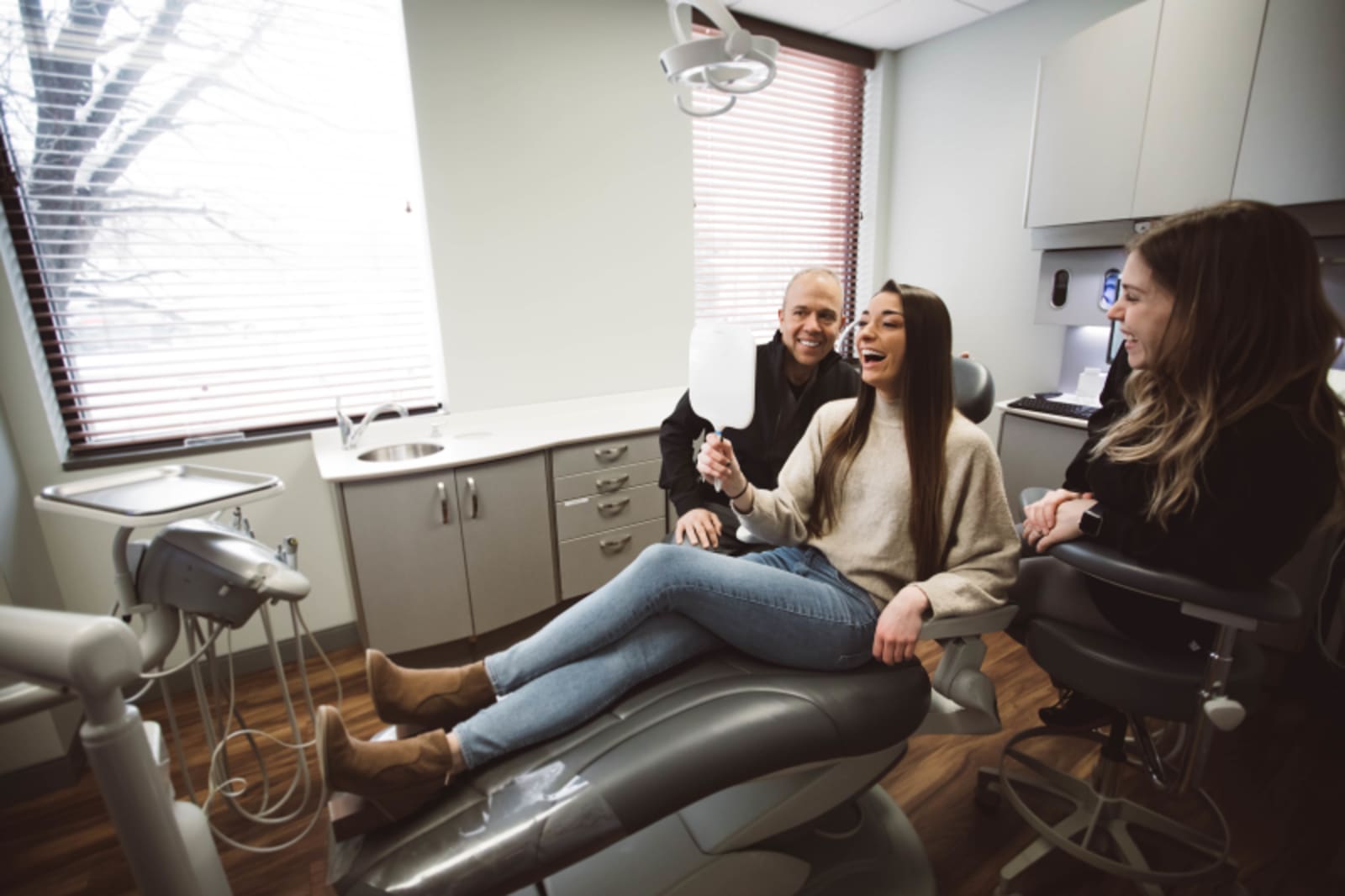
A lot of people arrive having read a few things online, maybe carrying a story that made them cautious. That caution is fair. The consultation is exactly where a practice has to earn your trust, and ours isn't a sales pitch. It's a conversation.
We'll talk through your dental history, what brought you here, and what you actually want out of treatment. That context matters, because no two mouths are the same. Someone who lost a tooth last month is in a different spot than someone who's been missing one for years and has some bone loss to account for.
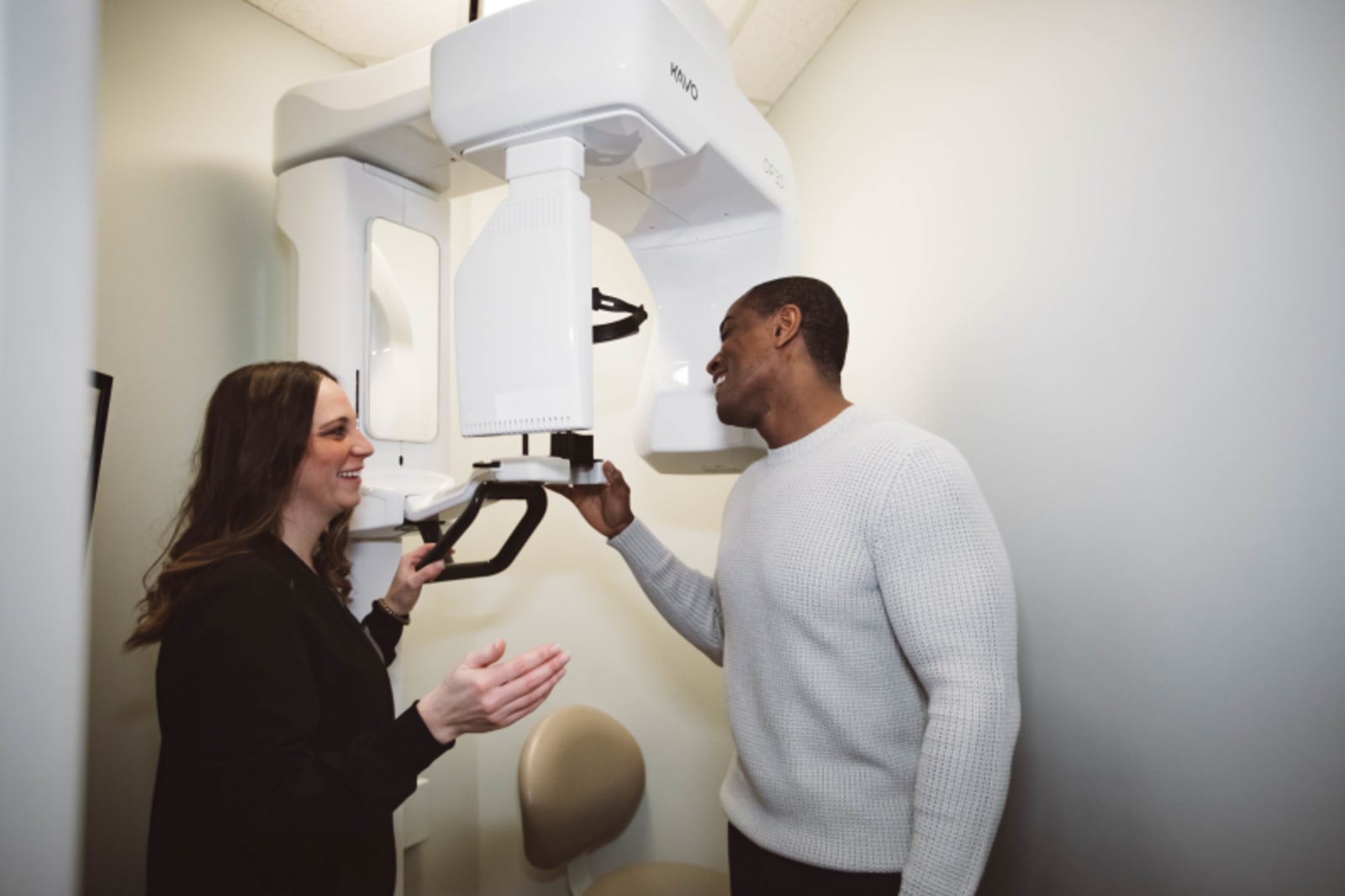
From there the visit moves into an exam, and then the step that separates a thorough consultation from a rushed one: a Cone Beam CT scan. A standard X-ray gives a flat picture. This 3D scan shows your jaw the way it really is, including:
- How much bone you have, and how dense it is
- Exactly where the nerves run
- How close your sinuses sit to the upper jaw
All of that has to be known before anyone decides where an implant goes and how it's placed. It's why the plan you leave with is built around your anatomy, not a general estimate.
What the Placement Appointment Actually Feels Like
The unknown is almost always scarier than the thing itself, and placement day is a good example. The appointment usually takes one to two hours, which surprises people who pictured something far longer and more dramatic.
Local anesthesia is standard, so the area is completely numb before anything starts. You'll feel some pressure and movement, but not sharp pain. If you're someone who tenses up the moment you sit in the chair, sedation is worth asking us about when you plan your treatment. Plenty of patients do.
Regarding recovery, there will be some soreness. The first two to three days tend to be the most uncomfortable, with mild swelling and tenderness around the site. Most people manage well with over-the-counter pain relievers and an ice pack in the first 24 hours, plus soft foods and rest.
Recovery symptoms: what's normal versus what deserves a call
- Normal: mild to moderate swelling, a little bruising, and discomfort that eases a bit more each day.
- Worth a call: pain that gets noticeably worse after day three, a fever, or any unusual discharge.
Those last ones are uncommon, but you should never feel like you're bothering us by reaching out about any concerns.
Most people are back to desk work in a day or two; harder physical activity usually waits about a week. Your exact timeline depends on your overall health, but for the majority, recovery turns out gentler than they braced for. If you'd like to talk through what implants would look like for you, our dental implants team is happy to walk you through every step.
The Healing Period: What's Happening Out of Sight
The most important part of the process happens quietly, while you go about your normal life. Once the post is placed, your jawbone gradually grows around it in something called osseointegration. The word sounds technical; what it means is simple. Your body accepts the titanium post as part of itself and locks it in place the same way it holds a natural tooth root.
That's what gives an implant its strength and longevity, and it's a real difference from a bridge or denture, which rest on top of things rather than anchoring into the bone. The stage takes several months, and that timeline isn't about your dentist dragging their feet—the bone takes time to fuse, and a crown placed too early would be sitting on a foundation that isn't ready. That's a shortcut nobody benefits from.
In the meantime, most patients get a temporary so there's no gap in your smile. Eating stays fairly normal; you'll just want to go easy on very hard or crunchy foods near the treatment site. If you're weighing how implants compare to other ways of replacing a tooth, our dental services page lays out the bigger picture. Have questions about your own healing timeline? Feel free to reach out to our team anytime.
The Crown: Where CEREC Changes the Day

Once the post has integrated, attention turns to the crown that caps it. That crown has to fit precisely, look natural beside your other teeth, and hold up to years of chewing. This is where CEREC technology earns its place.
The older way meant gooey physical impressions, a temporary, and a wait while an outside lab milled the final piece and shipped it back. CEREC swaps that for digital scanning and in-office design. We capture your tooth structure and bite digitally, then use that data to shape a crown around the exact size and alignment of your neighboring teeth. It's milled right here, which usually means fewer appointments and far less time in a temporary.
The convenience is nice, but the bigger win is consistency. The same precision behind your 3D imaging carries straight through to the crown. Both halves of the process answer to the same standard, so what you end up with isn't just a crown that works. It's one that genuinely fits, because it was built around the specifics of your mouth. If you have questions about whether CEREC is right for your dental implant, our team is happy to walk you through it.
Do You Need a Specialist, or Can a General Dentist Do This?
It's a fair question to ask before you book anything. For most single-tooth implants, in people with healthy bone and no complicated medical history, a general dentist with proper implant training can absolutely do the work. The word "implant" doesn't automatically mean you need an oral surgeon or periodontist.
Some situations do call for a specialist, though. Significant bone loss, certain systemic health conditions, or cases involving several implants at once add complexity that changes the picture. A practice worth your trust will tell you plainly which side of that line you fall on, even when the answer is a referral. Our team uses advanced technology like Cone Beam Imaging and iTero scanning to assess your case accurately from the start.
Our approach is simple. If your case is a good fit for placement in our office, we'll handle it. If you'd genuinely be better served by a specialist, we'll say so, because the right outcome matters more than keeping the case in our chair.
Patients across Pittsburgh come to us partly because that kind of straight talk hasn't always been their experience elsewhere.
A Few Questions People Ask Us
How long does the whole process take, start to finish?
For a straightforward single tooth, plan on several months overall. Most of that is the healing stage where the bone fuses to the implant. The actual appointments are short; the wait between them is what stretches the timeline, and it's there for good reason. Curious about the bigger picture? Our dental implants page walks through each stage.
Is it really going to hurt?
During placement you'll be numb and feel pressure rather than pain. Afterward there's some soreness for a few days that most people handle with over-the-counter relief. It tends to be milder than folks expect going in.
Will the crown look natural next to my other teeth?
That's the goal, and it's why we design the crown around the size, shape, and shade of the teeth right beside it. The digital scan captures those details, so the finished tooth blends in rather than announcing itself. Most people forget which one is the implant. You can read more about our digital technology and how it shapes the final result.
What will it cost?
Cost depends on your specific case, including whether you need any groundwork before placement. We go over the numbers and your payment and insurance options during the consultation, once we've actually seen what your situation calls for, so you're not guessing from a one-size figure. When you're ready, schedule a consultation and we'll take it from there.
Ready to See What Your Specific Case Looks Like?
Reading about the implant process gets you a long way. You pick up the vocabulary, you know what to ask, and you stop feeling like you're walking in blind. But there's a ceiling on what general information can tell you, because your bone, your timeline, and your budget aren't general. They're yours.
A consultation is where that shifts. Someone actually looks at your mouth, reviews your imaging, and gives you a real picture of what treatment would mean for you.
If you've been putting off getting an implant because you weren't sure who to trust, we understand.
When you're ready, take a look at our dental services, learn more about our team, or just give us a call at (412) 242-4022 to start the conversation.

