
Published
Most dental problems don't hurt until they're already expensive to fix. A cavity in its early stage is a quick, affordable filling. That same cavity, ignored for a year or two, can infect the nerve, require a root canal, and still end in losing the tooth.
At Edgewood Dental Associates, we put this guide together for anyone weighing whether to book a visit, especially if cost, embarrassment, or distrust of the process has been part of the hesitation. Those are real concerns, and they deserve straight answers. What follows is a plain walkthrough of how dental problems develop, how they get caught before they grow, and what your options look like at every stage.
Ready to get started? Call us at (412) 242-4022. We are happy to answer any questions you have.
What This Guide Covers
- Preventive dentistry: what it actually includes
- Why waiting costs more than the problem itself
- How decay and gum disease progress stage by stage
- How problems get caught before you feel them
- What's urgent, what can wait, and what to do right now
- Your full range of options, from home care to specialist referral
- Who needs more frequent cleanings and why
- Coming back after years away without the lecture
- How prevention protects the dental work you've already invested in
What Preventive Dentistry Actually Covers
Most people picture a cleaning and a "see you in six months." That's one piece of it. Preventive dentistry is really a system for catching change early, and the cleaning is only the part you notice.
A complete preventive program usually includes:
- The full exam. Tooth by tooth, we check existing fillings and crowns, decay, wear patterns, how your bite comes together, and the health of your gums and inner cheeks.
- Professional cleaning. Removing hardened tartar that a toothbrush simply cannot lift off, above and just below the gumline.
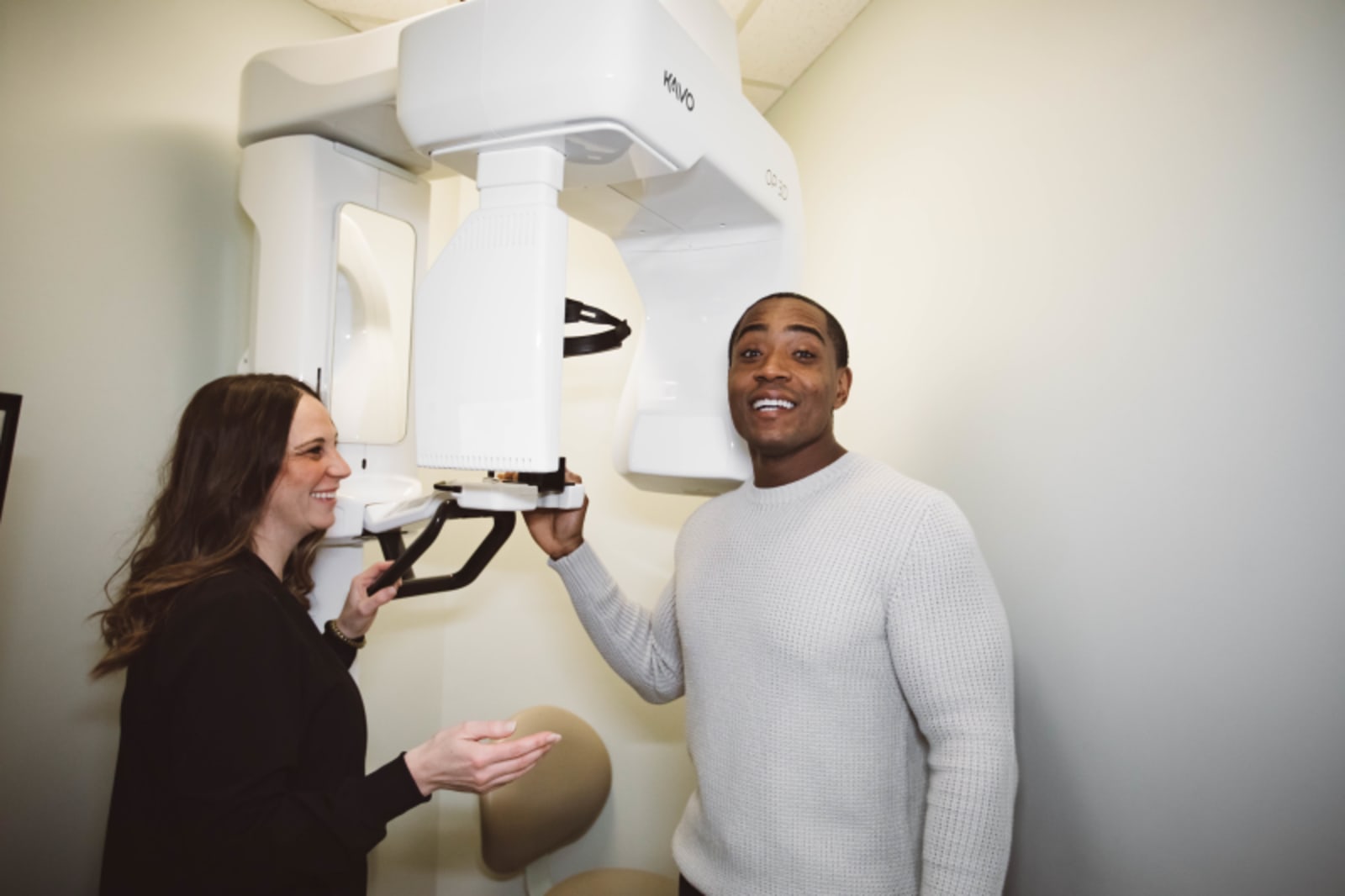
- X-rays. Digital images that show decay between teeth and bone levels around roots, both invisible to the naked eye.
- Fluoride treatment. Strengthens enamel and can help reverse the earliest surface softening before it becomes a cavity.
- Sealants. A thin protective coating over the deep grooves of back teeth where food and bacteria tend to collect.
- Risk assessment. A look at your medications, health history, diet, and habits to determine how often you actually need to be seen.
Think of it less as maintenance and more as monitoring. The value is in the record: what changed since last time, how fast, and whether it needs attention now or watching for another six months.
Why Small Dental Problems Rarely Stay Small
Teeth don't heal the way the rest of your body does. Once enamel is gone, it's gone, and a bacterial infection inside a tooth won't clear up on its own. The biggest driver of dental expense isn't the problem itself. It's the time between when it started and when someone actually looked at it.
The reasons people wait are real, and worth naming plainly:
- Cost. Waiting moves you up a more expensive ladder, not down it. Cost is a real conversation we're happy to have before anything is scheduled.
- Embarrassment. The longer the gap, the more people dread the reaction. The visit itself is almost always easier than the buildup to it.
- Distrust. If you've ever felt sold to in a dental chair, that memory sticks. We'd rather show you the X-ray and explain what you're looking at than hand you a treatment list. That's how every conversation starts here.
How a Cavity Becomes a Root Canal, and Then an Extraction
A cavity doesn't announce itself. It works through a tooth in stages, and each stage costs more to fix than the one before it.
1. Enamel Decay
Decay starts at the outer surface. Enamel has no nerve endings, so there's no pain and usually nothing you'd notice. Caught here, a small tooth-colored filling handles it and preserves nearly all of the natural tooth. In the earliest stage, before an actual hole forms, fluoride and better home care can sometimes stop or reverse it entirely.
2. Dentin Involvement
Just beneath the enamel is dentin, a softer layer with tiny channels that connect to the nerve. This is where you might first feel something: a zing with cold drinks or sweets. Decay moves faster through dentin than enamel. It's still a filling at this stage, just a larger one, with less natural tooth left behind.
3. Pulp Infection
At the center of every tooth is the pulp, the soft tissue where the nerve and blood supply live. Once bacteria reach it, the tissue gets inflamed and infected, and no amount of brushing can fix that from the outside. Root canal therapy removes the infected tissue and seals the tooth, which then gets a crown because it becomes more brittle afterward.
4. Abscess
If the infection keeps spreading, it moves past the root tip into the surrounding bone and forms an abscess. You might notice swelling, a constant throbbing ache, a bad taste, or a small bump on the gum. Seek care right away if that sounds familiar, because infections in the jaw and face can become a medical emergency.
5. Tooth Loss and Replacement
Eventually, there is not enough healthy tooth left to save, and extraction becomes the only option. From there, you can leave the gap or replace the tooth with a bridge, a dental implant, or a removable option. Nearby teeth will also begin shifting into the empty space if nothing fills it.
Gum Disease: The Condition That Progresses Without Pain
Gum disease is easy to miss because it rarely hurts in the early stages. It starts as gingivitis, bacterial buildup along the gumline that makes gums puffy, red, and prone to bleeding. At this stage it's fully reversible with a cleaning and better home care. Left alone, it becomes periodontitis, where the infection moves below the gumline, gum tissue pulls away from the tooth, and the bone holding your teeth in place starts to break down.
Things you can check yourself tonight:
- Bleeding when you brush or floss, even a little, even if it's "always done that"
- Gums that look red, swollen, or shiny rather than firm and pink
- Breath odor that comes back quickly after brushing
- Teeth that look longer, or sensitivity at the root surface near the gumline
- Any tooth that feels slightly loose, or a bite that feels different than it used to
Gum disease has also been linked to heart disease and diabetes, and the connection goes both ways. If you're managing either condition, keeping your gums healthy is part of that picture.
Cracks, Wear, Grinding, and the Problems That Are Not Cavities
Not every dental problem starts with decay. For adults in their forties and beyond, these issues build quietly over decades of everyday use and are often the bigger concern.
Cracked Teeth
Every time you chew or clench, the two sides of a crack flex and the fracture travels deeper. Teeth with large old fillings are especially at risk. A crack in the outer layers can often be repaired, but one that reaches the nerve means a root canal, and one below the gumline may not be fixable at all.
Enamel Erosion
Citrus, soda, sports drinks, wine, and acid reflux all slowly dissolve the outer tooth surface. Teeth start to look thinner at the edges, more yellow, and feel more sensitive. Once that surface is gone it does not grow back, so finding the source early is the most important step.
Grinding and Clenching (Bruxism)
Most people who grind their teeth do it at night without knowing. The signs are flattened chewing surfaces, chipped edges, morning jaw soreness, and crowns or fillings that keep breaking. It is one of the most common reasons good dental work fails early.
Jaw Joint and Bite Strain
Clicking, limited opening, and jaw pain often trace back to how your bite fits together and how much force runs through it. Treating the sore muscle alone misses the source of the problem.
Aging Restorations
Fillings and crowns are not permanent. Edges wear down, seals loosen, and decay can start underneath where you would never feel it. A restoration that has been in place for fifteen or more years is worth checking, because a failing edge caught early is a much simpler fix than what develops behind it.
How Dentists Actually Find Problems Before You Feel Them

Most dental problems are silent during the stages when they're easiest to fix. A thorough exam depends on tools, not just symptoms.
Digital X-Rays
X-rays reveal decay between teeth, infection at root tips, and bone levels that no visual exam can catch. Digital sensors use far less radiation than old film, and the image is on screen immediately so you can see exactly what we're looking at.
Periodontal Probing and Charting
A small measuring tool checks the depth of the space between your gum and tooth at several points around every tooth. Healthy readings are one to three millimeters. Anything deeper, combined with bleeding or gum recession, gets recorded and tracked visit to visit so we can spot trends early.
Intraoral Scanning and Photography
Digital scanning maps your teeth in 3D without impression trays. Intraoral photos show a cracked cusp or worn edge at actual size on screen, so you're seeing the problem yourself rather than just being told about it.
Bite and Wear Evaluation
How your teeth meet and where they touch first can reveal force problems before a tooth actually breaks. Wear patterns and jaw movement are part of that picture.
Oral Cancer Screening
A quick visual check of the tongue, cheeks, floor of the mouth, palate, and neck. It takes about two minutes and may be the most important part of a routine visit since early findings are treated very differently than late ones.
Warning Signs Worth Getting Checked, and What Can Wait
Not everything is an emergency, and pretending otherwise is its own kind of unhelpful. Here is a straightforward breakdown:
Call the same day.
- Facial or jaw swelling, especially with fever or trouble swallowing
- Severe, throbbing tooth pain that will not let up
- A knocked-out permanent tooth (time matters enormously here)
- A tooth broken with bleeding or from a hard impact
- Bleeding that will not stop after a tooth removal
Get Seen Within a Few Weeks.
- Sensitivity to cold or sweets that sticks around for more than a few seconds
- Pain when biting down, or a sharp pain when you stop biting
- Gums that bleed regularly, or a bump on the gum that comes and goes
- A lost filling or crown, or a chipped tooth with no pain
- A tooth that feels loose, or a bite that suddenly feels different
- A mouth sore that has not healed after two weeks
- New jaw soreness, clicking, or headaches in the morning
Fine to Mention at Your Next Visit.
- Occasional mild cold sensitivity that goes away right away
- Minor staining or discoloration
- A small chip that is not sharp or sensitive
- Mild crowding or a tooth you have never loved the look of
The Full Range of Preventive and Intervention Options
Prevention isn't one thing. It's a ladder, and the goal is always to stay on the lowest rung that works.
Home Care
Brushing twice daily with fluoride toothpaste, cleaning between teeth once a day, and replacing your brush or brush head every few months. Simple, easy, and the highest-return habit in dental health.
Professional Cleaning and Exam
Removes buildup that brushing simply can't reach and gives us a record of what's changed since your last visit.
Fluoride and Sealants
Fluoride hardens enamel and can stop very early decay before it becomes a cavity. Sealants are a thin coating placed over the deep grooves of back teeth where decay most often starts. Both are quick and painless.
Night Guards for Grinding
A custom-fitted guard absorbs the force of grinding so your teeth and existing dental work don't have to. It's far less expensive than replacing a crown that grinding has cracked.
Tooth-Colored Fillings
The first restorative step. The filling material bonds directly to the tooth, matches your natural shade, and lets us preserve more of the healthy tooth than older silver fillings allowed. We also use the same material for chips and small cosmetic corrections.
Periodontal Therapy
When gum disease goes beyond what a routine cleaning can address, a deep cleaning targets buildup below the gumline. Regular follow-up visits help keep it under control.
Root Canal Therapy and Extractions
When decay or a crack reaches the inner nerve of a tooth, a root canal cleans it out and saves the tooth. When a tooth truly can't be saved, we talk through your options for the space, including dental implants and bridges.
What to Expect Coming Back After Years Away
If it has been five years or fifteen, you are not the exception. A lot of the people who walk through our door are in the same situation, and the worry leading up to the visit is almost always worse than the visit itself.
A first visit back generally goes like this:
- A conversation first. Your health history, medications, what has been bothering you, and what you are hoping for. Let us know if you are nervous; it helps us slow things down and keep you comfortable.
- Digital X-rays and a full exam. We check every tooth, measure your gum health, and screen for oral cancer.
- A look at the images together. We pull everything up on screen and walk you through what we see in plain language, not just what we recommend.
- A prioritized plan. Urgent first, then important, then optional and cosmetic. Not a long list of line items meant to overwhelm you.
- Time for questions before anything is scheduled, including what happens if you decide to wait on something.
Sometimes a cleaning happens the same day. If there is a lot of buildup or your gums need extra attention, we may schedule that as its own visit, and that is completely normal, not a bad sign.
Building a Prevention Plan That Fits Your Real Life

At home, two minutes of brushing twice a day with fluoride toothpaste and cleaning between your teeth once daily covers most of it. If floss has never worked for you, interdental brushes and water flossers do the same job. With food and drink, frequency matters more than quantity.
On scheduling, book your next visit before you leave the office. It is the single most reliable way to avoid a long gap, and it costs nothing to do.
A comprehensive exam gives you real information instead of guesswork. We are at 1789 South Braddock Avenue, Suite 110 in Pittsburgh, with hours starting at 7:30 am Monday - Friday. Call us at (412) 242-4022 and we will find a time that works for you.

